Post-bariatric surgery, adequate protein intake (60-120g daily) is crucial for preserving muscle mass, boosting immunity, and supporting weight loss. Meal replacement shakes and protein-rich foods aid in meeting these elevated protein needs during recovery and beyond.
- Prioritising protein consumption before other food groups can help regulate blood sugar and maintain consistent energy levels after bariatric surgery.
- Consuming protein-focused meals and snacks regularly throughout the day supports satiety and helps manage weight loss effectively.
- Regular monitoring with healthcare professionals is essential to ensure adequate nutrition and maintain healthy muscle mass post-surgery.
Bariatric surgery changes your body in incredible ways — but it also changes how your body processes food. After surgery, you will be eating much smaller portions, and your body’s ability to absorb nutrients shifts dramatically. That is why protein becomes one of the most important nutrients to focus on during your recovery and beyond.
Not getting enough protein can lead to muscle loss, fatigue, slow recovery, and weakened immunity. In the long term, it can also make it harder to maintain your weight loss goals.
At Formulite, we work closely with healthcare professionals who support patients after bariatric surgery. Here’s what they recommend when it comes to protein intake — and how to make it easier to meet your daily goals.
How Bariatric Surgery Affects Protein Needs
After surgery, your body’s calorie intake drops significantly, and your stomach can only handle small amounts of food at a time. That makes it harder to eat enough protein through food alone.
Dietitians typically recommend aiming for 60 to 120 grams of protein per day, depending on your body size, age, and recovery stage. Getting this right helps:
Preserve lean muscle while losing fat
Support energy and metabolism
Strengthen hair, skin, and nails
Boost immune function and overall healing
A study published in Clinical Nutrition ESPEN found that higher protein intake after bariatric surgery helps maintain muscle mass and improve long-term weight management (Malinowski et al., 2020).
How to Get Enough Protein After Surgery
Immediately after surgery, most patients start with a liquid diet, then move to puréed and soft foods before reintroducing solids. During these phases, it can be hard to hit your daily protein targets through meals alone — which is why protein supplements play a key role.
Some great post-op protein options include:
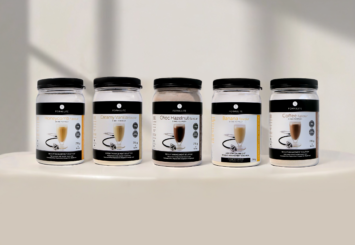
Formulite Shakes: Over 30 g of protein per serve, plus 24 essential vitamins and minerals. Perfect for small, easy-to-digest meals.
Formulite Soups: Warm, savoury options with up to 22 g of protein — ideal for those who prefer a lighter meal.
Formulite Protein Bars: Convenient, balanced, and satisfying for when you are on the go.
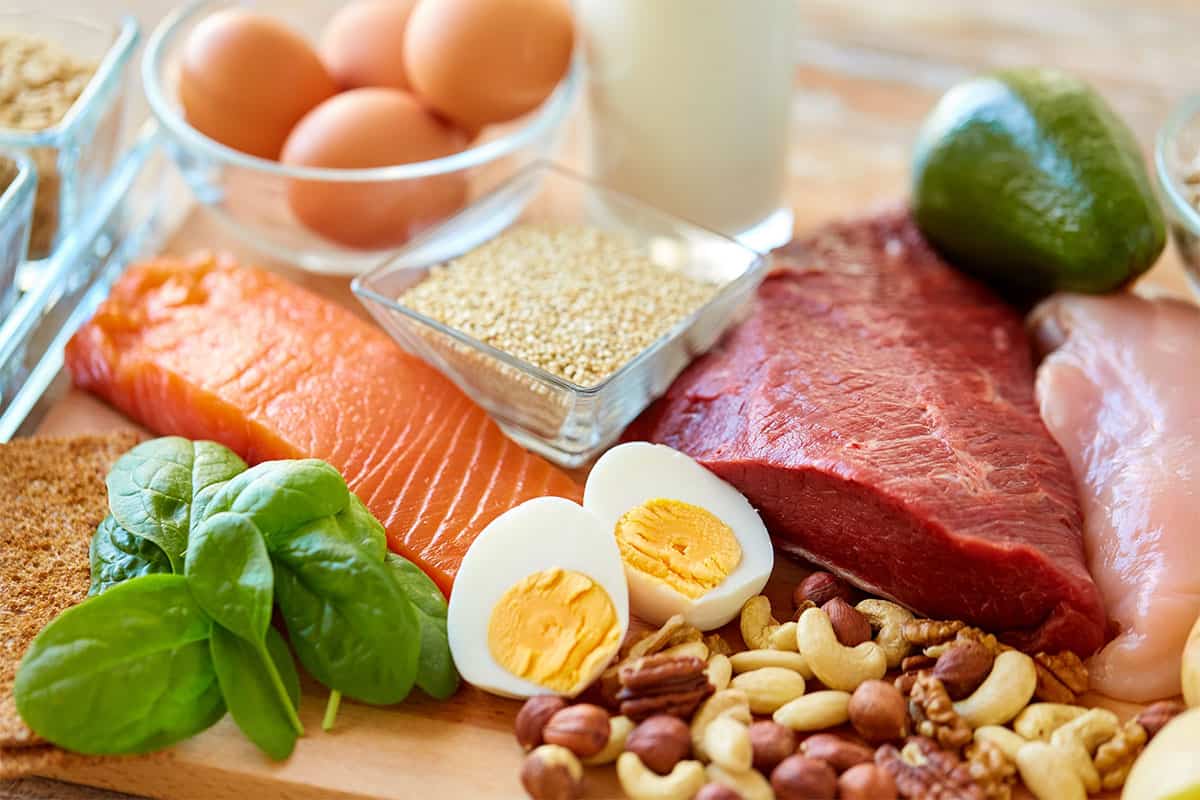
You can also include foods like Greek yoghurt, cottage cheese, lean chicken, fish, eggs, tofu, lentils, and beans once your body is ready for solids.
The “Protein First” Rule
When your meal includes a mix of foods, always eat protein first. Research published in Diabetes Journal (2015) found that eating protein before carbohydrates can help regulate blood sugar levels and prevent energy crashes after meals.
This simple habit helps you stay fuller for longer, support steady energy, and maintain your weight loss progress.
Helpful Snack Ideas
Post-surgery, you may need to eat smaller amounts more frequently. Aim for three to six protein-focused meals or snacks each day, depending on your appetite.
Try:
Hard-boiled eggs
Half a cup of cottage cheese with fruit
Formulite Protein Bar or Shake
A small handful of almonds
Low-fat hummus with carrot sticks
Interestingly, studies show that almonds may contain fewer calories than previously estimated because some of their energy is not fully absorbed by the body (Mayo Clinic Proceedings, 2020).
Regular Check-Ins with Your Healthcare Team
Your GP or specialist will monitor your nutrition with blood tests and general check-ups every few months, especially during the first two years post-surgery. These help ensure you are meeting your vitamin and mineral needs and maintaining healthy muscle mass.
Takeaway
After bariatric surgery, protein is your body’s best ally. It fuels recovery, helps preserve muscle, and keeps your metabolism strong as your new lifestyle takes shape.
If you are struggling to meet your daily protein needs, Formulite’s range of shakes, bars, soups, and protein water are designed specifically for post-bariatric nutrition. They make it easier to stay nourished, energised, and confident on your journey.
References
Malinowski A et al. (2020). Bariatric surgery affects obesity-related protein requirements. Clinical Nutrition ESPEN, 45:227–233.
Food Order Has a Significant Impact on Postprandial Glucose and Insulin Levels. Diabetes Journal, 2015.
Almond Bioaccessibility in a Randomized Crossover Trial: Is a Calorie a Calorie? Mayo Clinic Proceedings, 2020.