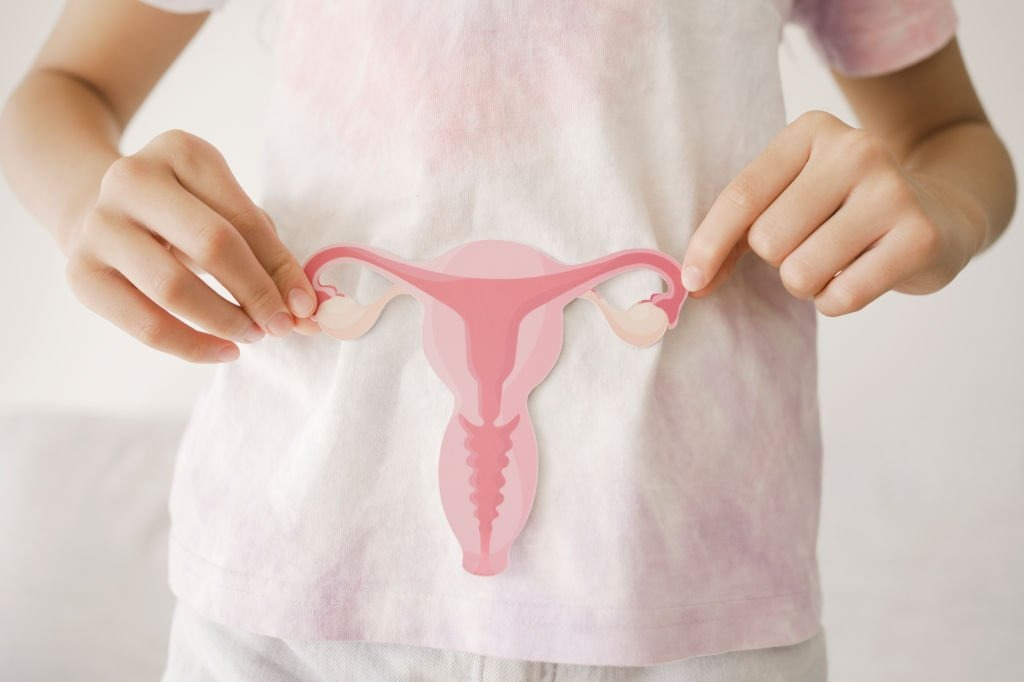
In honour of Infertility Awareness Week, we sat down with Dr. Catherine Bacus from Alevia Medical Weight Loss to unpack one of the most common—and complex—conditions impacting women’s fertility: Polycystic Ovary Syndrome (PCOS).
Dr. Bacus is passionate about women’s health and has worked closely with countless women managing PCOS and the fertility challenges it can bring. “PCOS is often misunderstood,” she says. “Many women go years without a diagnosis, and when fertility struggles arise, it can feel incredibly isolating. But the good news is, there are evidence-based ways to manage PCOS and improve reproductive outcomes.”
In this Q&A, Dr. Bacus answers some of the most frequently asked questions about PCOS—from its symptoms and causes to the real impact of lifestyle changes and weight loss on fertility.
What is PCOS?
PCOS (Polycystic Ovary Syndrome) is a common hormonal disorder affecting women of reproductive age. It involves enlarged ovaries with small cysts, hormone imbalances, and metabolism issues that can impact fertility, appearance, and long-term health.
What are the key symptoms or signs of PCOS that women should be aware of?
Key PCOS symptoms include irregular or missed periods, excess facial/body hair, acne, thinning scalp hair, weight gain (especially around the abdomen), difficulty getting pregnant, and dark skin patches. Not all women experience all symptoms.
What causes PCOS — is it purely hormonal, or are there environmental/lifestyle triggers as well?
PCOS has multiple causes: genetics play a strong role, but insulin resistance, chronic inflammation, and environmental factors can trigger or worsen symptoms. It’s not purely hormonal—lifestyle factors definitely influence its development and severity.
Is there a correlation between gaining weight and increased the risk of developing PCOS?
PCOS and weight gain are related condition with insulin resistance being the common link. 80% of women with PCOS experience overweight or obesity. Excess weight can worsen insulin resistance, triggering hormonal imbalances that exacerbate PCOS symptoms. The relationship is bidirectional: PCOS makes weight gain easier, and weight gain can make PCOS symptoms worse.
How does PCOS affect weight management, and why is it often so resistant to traditional diet and exercise?
PCOS makes weight management challenging because it affects metabolism through insulin resistance, hormonal imbalances, and increased appetite. These factors mean women with PCOS often burn fewer calories at rest and store fat more easily, making traditional diet and exercise less effective.
What role does weight loss play in improving or managing PCOS symptoms?
Even modest weight loss (5-10% of body weight) can significantly improve PCOS symptoms by reducing insulin resistance, restoring more regular ovulation, improving hormone balance, and reducing inflammation—often leading to better period regularity and fertility.
What role does nutrition and lifestyle choices play in improving or managing PCOS symptoms?
Nutrition and lifestyle are powerful PCOS management tools. Low-carbohydrate diets that manage insulin levels, regular exercise, stress management, and adequate sleep can all improve symptoms. Many find anti-inflammatory diets with adequate protein and healthy fats particularly helpful. Meal replacements can be a useful tool to reducing insulin levels through a low carbohydrate diet.
Have you seen improvements in fertility or pregnancy outcomes post-weight loss in women with PCOS?
Yes, weight loss often improves fertility in women with PCOS by restoring ovulation and regular menstrual cycles. Studies show that even modest weight loss can significantly increase natural conception rates and improve outcomes for fertility treatments like IVF. At Alevia we have had the joy of seeing many women be able to achieve their dream of falling pregnant after achieving significant weight loss.