PCOS Day 2025 highlights advancements in diagnosis, holistic care including mental health, and sustainable lifestyle strategies. New research supports tailored diets, combined exercise, timed eating, and GLP-1s under medical supervision, offering hope for improved PCOS management.
- Updated PCOS guidelines emphasize screening for anxiety and depression, integrating mental health into standard care.
- Emerging evidence supports time-restricted eating and GLP-1 medications (under medical supervision) as potential adjuncts to standard PCOS treatment.
- Prioritizing sleep, managing circadian rhythms, and addressing sleep apnea can significantly improve quality of life and metabolic regulation in women with PCOS.
Why PCOS Day matters
World PCOS Day of Unity on 1 September kicks off PCOS Awareness Month, a global moment to light landmarks teal and centre the voices of people living with PCOS. It’s a time for evidence, empathy and action. (PCOS Awareness Month)
1) Diagnosis is getting clearer (and less of a maze)
The International Evidence‑Based PCOS Guideline (2023) tightened and clarified diagnostic criteria. In adults, two of three features are required (hyperandrogenism, ovulatory dysfunction, and polycystic ovaries), with AMH now accepted as an alternative to ultrasound to define PCOM—but AMH must not be used alone and is not recommended in adolescents. This reduces unnecessary scans and over‑diagnosis.
- What this means for you: if you’re still in diagnostic limbo, ask your clinician about the updated criteria and whether AMH measurement is appropriate in your situation.
2) Care is more holistic—mental health is front and centre
The same guideline strengthens recommendations to screen for anxiety and depression at (and after) diagnosis, reflecting definitive evidence of higher prevalence in PCOS. This makes integrated psychological care part of best practice, not an optional extra.
3) “Best diet” myths are out; sustainable eating is in
There’s no single superior macronutrient pattern for PCOS outcomes. Guidance now emphasises tailored, sustainable healthy eating aligned with population guidelines (think plenty of fibre, legumes/pulses, wholegrains, fruit and veg), alongside behaviour change support.
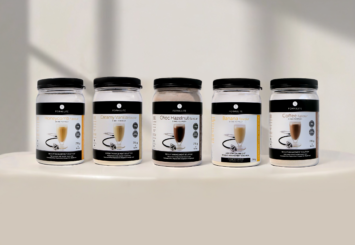
- Formulite angle: many people find protein‑first meals help with fullness and steadier energy. Our high‑protein shakes, bars and savoury soups can be practical tools to meet your protein targets within a balanced plan—especially on busy days—without making disease‑treatment claims.
4) Training smarter: new trials back combined and higher‑intensity exercise
A 2025 randomised trial showed eight weeks of combined resistance + endurance training improved insulin markers, lipids and androgens in women with PCOS. (BioMed Central)
Earlier work found high‑intensity interval training (HIIT) produced bigger gains in insulin sensitivity, aerobic fitness and menstrual cyclicity than moderate training. If HIIT isn’t your style, resistance training plus brisk walking still delivers meaningful wins. (Oxford Academic)
- Try this: aim for 2–3 strength sessions/week and build towards 150–300 minutes of moderate activity (or 75–150 minutes vigorous) across the week—whatever is sustainable for you.
5) Timed eating shows promise—especially when paired with standard care
A 2025 randomised controlled trial in women with PCOS found that time‑restricted eating (an ~8‑hour eating window) combined with standard therapy was associated with more ovulation and better weight/metabolic outcomes than standard therapy alone. It’s not for everyone, but it’s a hopeful option to discuss with your clinician. (PLOS)
6) Medicines: GLP‑1s are entering the PCOS conversation (carefully)
The 2023 guideline says anti‑obesity medicines, including GLP‑1 receptor agonists, can be considered for higher‑weight adults with PCOS as per general population guidance—with shared decision‑making and reliable contraception because pregnancy safety data are limited.
A 2025 network meta‑analysis suggests that adding a GLP‑1 RA to standard therapy can improve metabolic and some hormonal measures; earlier RCTs of liraglutide 3 mg also demonstrated weight and androgen benefits versus placebo. These medicines remain off‑label for PCOS in many regions, so medical oversight is essential. (BioMed Central, ScienceDirect)
- Nutrition still matters on GLP‑1s: prioritise adequate protein and resistance training to support muscle while weight changes occur.
7) Surgery: a landmark trial shows big fertility upside for some
The BAMBINI randomised trial (The Lancet, 2024) found bariatric surgery was significantly more effective than medical care at inducing spontaneous ovulation in women with PCOS, obesity and anovulatory cycles—highlighting a potent option for carefully selected patients. It’s major surgery and not for everyone, but the fertility signal is real. (The Lancet)
8) Gut health: cautiously encouraging
Overviews and meta‑analyses suggest probiotics, prebiotics or synbiotics may modestly improve insulin resistance and some lipid markers in PCOS—though results vary by strain, dose and study quality. Consider them a possible adjunct, not a cure‑all. (Frontiers, MDPI)
- Everyday step: build a high‑fibre plate (vegetables, legumes/pulses, wholegrains), which naturally nourishes the microbiome and aligns with general cardiometabolic guidance.
9) Sleep and circadian rhythm: an under‑used lever
Women with PCOS have a much higher prevalence of obstructive sleep apnoea (OSA), independent of BMI; guidelines now advise symptom screening (e.g., loud snoring plus unrefreshing sleep or daytime fatigue) and referral when indicated. Emerging analyses also link circadian disruption (altered melatonin/cortisol patterns, reduced sleep efficiency) with PCOS. Treating sleep seriously can improve quality of life—and may aid metabolic regulation. (Europe PMC)
- Quick wins: a consistent sleep/wake schedule, morning light, reduced late‑night light, and addressing snoring/daytime sleepiness with your GP.
Fast, practical ways to turn “hope” into action this PCOS Day
- Book a review using the 2023 diagnostic criteria—especially if your last assessment was years ago.
- Set a protein target for your next meal (e.g., build a protein‑centred breakfast or lunch). When time is tight, a Formulite shake, bar or savoury soup can help you meet that target within an overall healthy pattern.
- Lift things (your bodyweight counts): plan two strength sessions this week, and add walks or short cardio bursts on other days.
- Consider a timed‑eating trial (if it suits your lifestyle and medical context), and track how you feel over 4–6 weeks. (PLOS)
- On medication? Ask your clinician about GLP‑1s (off‑label in PCOS) or other options, and how to pair them with nutrition and exercise for muscle preservation.
- Sleep audit: if you snore loudly or wake unrefreshed, request OSA screening.
- Be kind to yourself: if mood or anxiety is heavy right now, that’s common in PCOS—and help is part of guideline‑based care. Ask for screening and support.
A note on fertility treatment
If you’re pursuing pregnancy, letrozole remains the first‑line ovulation induction medicine for most with anovulatory PCOS, with strong evidence for improved ovulation and live birth rates over clomiphene. Speak with your fertility team about pathway options and sequencing.
Final word
PCOS Day is not just about awareness; it’s about progress. The science is moving—towards clearer diagnosis, more compassionate, whole‑person care, and practical strategies you can put to work this week. If you’d like a hand translating the latest evidence into a day‑to‑day plan, we’re here with nutrition you can trust, recipes, and real‑world tips that fit busy lives.
This article is general information only and not a substitute for personalised medical advice. Always consult your GP, dietitian or specialist—especially if you are pregnant, trying to conceive, on prescription medicines (including GLP‑1s) or considering surgery.