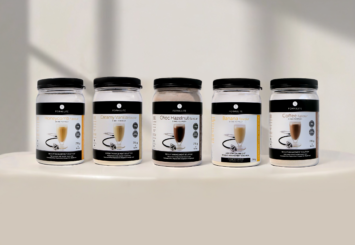
GLP-1 medications and bariatric surgery offer distinct weight loss pathways; surgery yields more substantial, lasting results, while GLP-1s provide a less invasive option. Regardless of the chosen method, incorporating high-protein meal replacement shakes like Formulite is crucial for optimal nutrition and sustainable habits.
- Bariatric surgery leads to approximately 25-30% body weight loss, surpassing the 5-20% typically seen with GLP-1 medications.
- GLP-1 medications offer a non-surgical route with fewer upfront risks, while bariatric surgery provides significant improvements in obesity-related conditions.
- Formulite's high-protein weight loss shakes support nutritional needs and recovery, complementing both GLP-1 medication and post-bariatric surgery diets.
Weight loss is a deeply personal journey, and for many people it comes down to choosing between medical treatments and surgery. With the rise of GLP-1 medications (like semaglutide and tirzepatide) and the established success of bariatric surgery (gastric bypass, sleeve gastrectomy), more choices are now available than ever. But which path is right, and what are the trade offs? In this blog, we unpack the differences, outcomes, pros and cons, and where Formulite can support whichever route you choose.
What Are GLP-1 Medications?
GLP-1 receptor agonists are a class of drugs approved for weight loss and diabetes management. They work by mimicking a hormone that slows digestion, reduces appetite, and helps with blood sugar regulation. Clinical trials often report 15 to 20% weight loss under ideal conditions for some GLP-1s.(diabetesjournals.org)
Pros:
Non surgical option
Can improve or reverse type 2 diabetes in many cases
Often lower initial risk compared to surgery
Flexible doses and less invasive
Cons:
Side effects like nausea, dizziness, gastrointestinal discomfort
Cost can be high, particularly outside health insurance coverage (hopkinsmedicine.org)
Long term adherence can be challenging
Real world effectiveness may be lower than in trials, especially when support and lifestyle changes are inconsistent (theguardian.com)
What Is Bariatric Surgery?
Bariatric surgery includes procedures such as gastric bypass and sleeve gastrectomy. These operations restrict how much food you can eat and reduce appetite through hormonal changes.
Pros:
Substantial and sustained weight loss. Recent real world data shows people losing around 25 to 30% of body weight over two years after surgery, compared to 5 to 7% with GLP-1 treatments in many cases. (theguardian.com)
Significant improvements in obesity related conditions such as diabetes, heart disease, and high blood pressure
Often cost effective long term when health gains are factored in (axios.com)
Cons:
Surgical risks including anesthesia, complications, and recovery time
Requires lifelong nutrition monitoring and supplementation
Risk of weight regain if diet, protein intake, and lifestyle are not managed well
Not everyone is eligible or comfortable with surgery
Key Comparisons: What the Research Says
| Factor | Bariatric Surgery | GLP-1 Medications |
|---|---|---|
| Average weight loss | ~25 to 30% body weight (real world settings) (theguardian.com) | ~5 to 20% depending on drug type, adherence, and duration (diabetesjournals.org) |
| Duration of results | More durable weight loss over several years with follow up care (asmbs.org) | Weight loss may plateau, and effectiveness can decrease if medication is discontinued or not supported (facs.org) |
| Impact on comorbid conditions | Significant, often rapid improvements in type 2 diabetes and insulin sensitivity (asmbs.org) | Effective for blood sugar control, though results may be slower or less dramatic (hopkinsmedicine.org) |
| Risk and burden | Higher up front risk and cost, surgical recovery required | Fewer surgical risks, but side effects and ongoing cost and access issues |
Who Might Choose Which Option?
GLP-1 medications may be especially suitable if you:
• Prefer to avoid surgery or are not eligible
• Want a medically supervised approach that can be paused or adjusted
• Need support with appetite control or metabolic healthBariatric surgery may be better if you:
• Have a high BMI and obesity related comorbidities
• Need a more immediate, large scale weight loss result
• Are ready for surgical recovery and long term lifestyle changes
Often, a combined or staged approach works best, for example using GLP-1s before or after surgery, or using both approaches with the right nutrition and behavioural support.(medscape.com)
Where Formulite Fits In
Regardless of the path you choose, appropriate nutrition is essential. Here is how Formulite supports you:
High protein shakes, soups, bars and protein water make it easier to meet your protein targets, especially when appetite is low with GLP-1s or after surgery
Products are carefully made, easy to digest, Coeliac Australia approved and gentle on the gut
Helps with recovery nutrition after surgery and supports energy when undergoing medical treatments
Offers convenience without compromising on essential nutrients so you can maintain sustainable habits
Final Thoughts
Both GLP-1 medications and bariatric surgery offer powerful options for weight loss and health improvement. Surgery often produces larger, faster, and longer lasting results, especially for higher BMI and serious obesity. GLP-1 drugs provide flexibility, less invasiveness, and can be life changing for many, particularly with strong dietary and behavioural support. There is no one size fits all. The best choice is the one that aligns with your health, circumstances, and goals. Whatever path you take, a nutrition plan that includes sufficient protein, micronutrients, and sustainable habits makes all the difference. This is where Formulite aims to be your reliable companion.
References
Bariatric Surgery vs. GLP-1 Medications: What the Latest Research Shows, ASMBS 2025. (asmbs.org)
Great Debates: Undergoing the Knife versus Pill Popping — The Comparative Efficacy and Cost Effectiveness of Bariatric Surgery and GLP-1 Receptor Agonists in the Management of Obesity. Am Surg. 2025. (facs.org)
Metabolic Bariatric Surgery in the Era of GLP-1 Receptor Agonists for Obesity Treatment, JAMA Network Open. (jamanetwork.com)
GLP-1 Use After Bariatric Surgery on the Rise, Medscape / JAMA Surgery 2025. (medscape.com)
Weight loss jabs may achieve less drastic results outside trials, study suggests, The Guardian. (theguardian.com)
Bariatric Surgery More Effective and Durable Than New Obesity Drugs and Lifestyle Intervention, ASMBS. (asmbs.org)