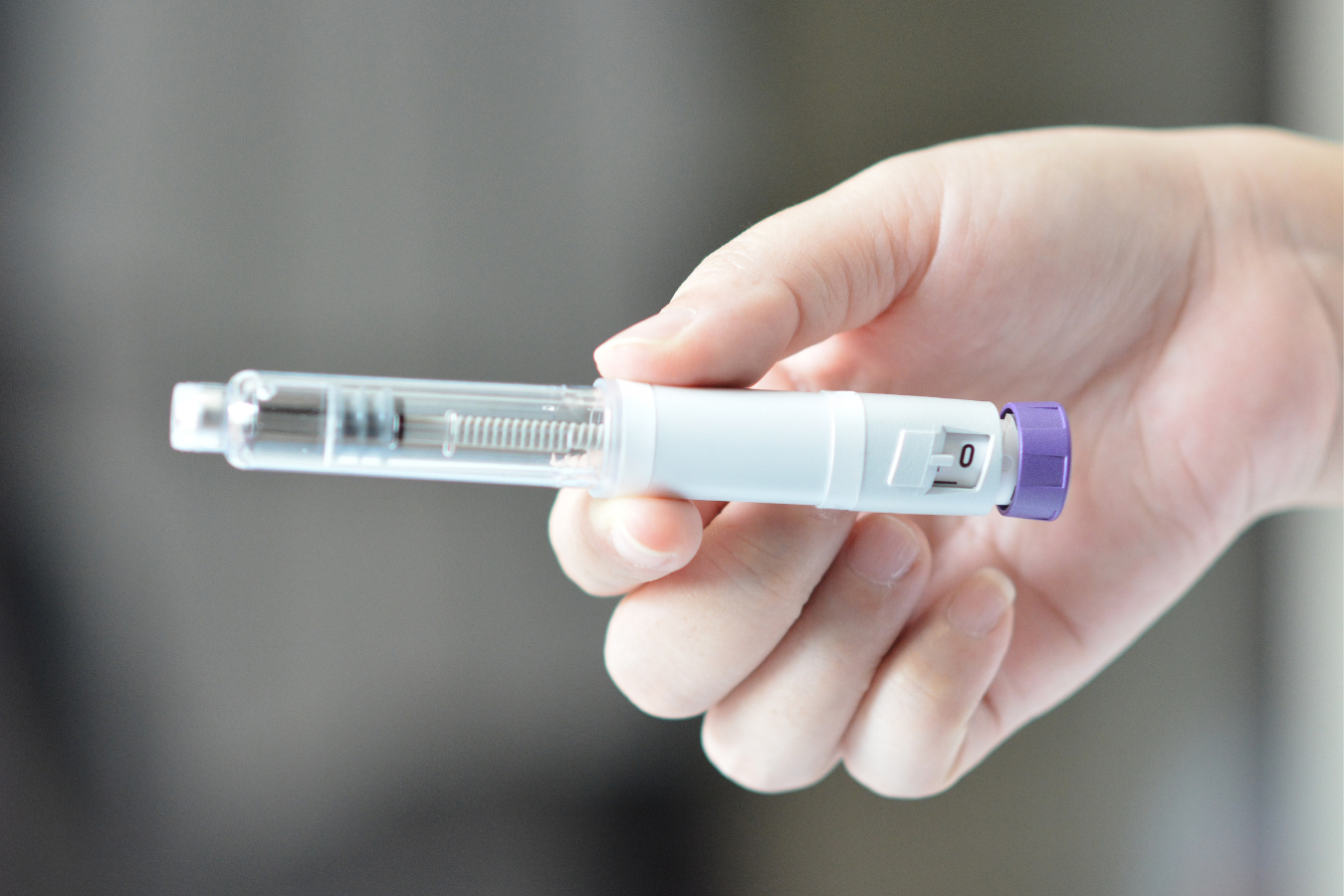
If you’ve turned on a TV, opened a news app or scrolled social media in the last two years, you’ve heard about GLP-1 medications. Ozempic, Wegovy, Mounjaro, names that were unknown to most Australians five years ago are now part of dinner-table conversations, GP appointments and national headlines.
But beyond the noise, what’s actually happening with GLP-1s in Australia? Which medications are available, who can access them, what do they cost, and where is this whole thing headed? Just as importantly, if you’re using one (or thinking about it), how do you stay properly nourished while your appetite is suppressed?
Here’s a clear, current picture of GLP-1s in Australia in 2026, and what the next few years are likely to bring.
First, a Quick Refresher: What is GLP-1?
GLP-1 (glucagon-like peptide-1) is a hormone your body produces naturally in the small intestine after you eat. It does several useful things at once: it tells your pancreas to release insulin, slows the rate at which food leaves your stomach, and signals satiety to your brain, essentially helping your body recognise that you’ve eaten enough.
GLP-1 receptor agonists are medications that mimic this hormone. They were originally developed for type 2 diabetes, but researchers quickly discovered something remarkable: people taking them often lost significant weight. That observation has reshaped the way obesity is treated globally, not as a willpower problem, but as a chronic medical condition that responds to medical treatment.
The Australian Landscape in 2026
What’s TGA-Approved Right Now
In Australia, the Therapeutic Goods Administration (TGA) has approved several medications in this class:
Approved for type 2 diabetes:
- Ozempic (semaglutide) – Novo Nordisk
- Trulicity (dulaglutide) – Eli Lilly
- Victoza (liraglutide) – Novo Nordisk
Approved for chronic weight management:
- Wegovy (semaglutide 2.4mg weekly injection) – Novo Nordisk
- Saxenda (liraglutide daily injection) – Novo Nordisk
Approved for both diabetes and weight management:
- Mounjaro (tirzepatide) – Eli Lilly. Mounjaro is a dual GIP/GLP-1 agonist, meaning it works on two hormone pathways rather than one. It received TGA approval for chronic weight management in September 2024, and more recently for moderate to severe obstructive sleep apnoea in adults with obesity.
How Many Australians Are Actually Using Them?
According to the 2025 ADS/ANZCA/GESA/NACOS clinical practice recommendations, an estimated 0.7% of Australians are currently using semaglutide, with researchers predicting that almost one in ten Australians could be on a GLP-1 medication by 2030. To put that in context, the Australian Institute of Health and Welfare estimates 66% of Australian adults are living with overweight or obesity – so the potential pool of patients is enormous.
Eligibility and Prescribing
GLP-1 medications are prescription-only (Schedule 4) and require assessment by a GP, endocrinologist, or qualified telehealth doctor. For weight management indications, prescribing guidelines generally require a BMI of 30 or above, or 27 or above with at least one weight-related comorbidity (such as type 2 diabetes, hypertension, dyslipidaemia, or obstructive sleep apnoea).
What It Costs Australians Right Now
Here’s where the conversation gets uncomfortable. None of the GLP-1 medications used for weight management are currently subsidised on the Pharmaceutical Benefits Scheme (PBS). That means private prescription only:
- Wegovy: approximately $395 a month, varying by dose and pharmacy.
- Mounjaro: approximately $280-$750 a month depending on dose.
- Saxenda: comparable monthly cost, with the additional consideration of daily (rather than weekly) injections.
For most Australians, that’s a serious financial commitment – especially because GLP-1s are intended as long-term therapy, not a short-term fix.
A Historic PBS Moment
In late 2025, the Pharmaceutical Benefits Advisory Committee (PBAC) made a positive recommendation to list semaglutide on the PBS, but only for a specific subset of patients: those living with obesity and established cardiovascular disease. As Associate Professor Sam Hocking, President of the National Association of Clinical Obesity Services, has noted, this is genuinely historic: it is the first positive PBAC recommendation ever made for an obesity therapy in Australia.
Listing on the PBS itself isn’t expected before late 2026, and the eligibility criteria will be tighter than many people hope. But it’s a meaningful shift in how the system is starting to view obesity as a treatable medical condition deserving of public investment.
The Clinical Reality: What These Medications Actually Do
Weight Loss Outcomes
Large phase 3 clinical trials show:
- Semaglutide (Wegovy): average weight loss of around 14–17% of body weight when combined with diet and increased physical activity.
- Tirzepatide (Mounjaro): average weight loss of around 20–21% – currently the highest of any approved pharmacotherapy.
Beyond Weight Loss
The story isn’t just about the number on the scale. Current evidence suggests GLP-1 medications also support:
- Cardiovascular risk reduction
- Improvement in fatty liver disease
- Treatment of moderate to severe obstructive sleep apnoea (Mounjaro specifically)
- Potential benefits in inflammatory arthritis, Alzheimer’s disease and dementia (under active investigation)
As endocrinologists are quick to point out, the more important story is often the metabolic and cardiovascular improvements, not the weight loss itself.
Side Effects and Safety Updates
In December 2025, the TGA aligned product warnings across the entire GLP-1 class, addressing two distinct safety issues:
- Potential risk of suicidal thoughts or behaviours. Patients are advised to tell their healthcare professional about any new or worsening depression, suicidal thoughts, or unusual changes in mood. Importantly, current research has not shown a higher rate of depression in people taking GLP-1 medications compared to the general population, and the FDA in the US has recently removed its equivalent warning.
- Pulmonary aspiration during anaesthesia. Because GLP-1 medications slow gastric emptying, food can remain in the stomach longer than expected, which has implications for patients undergoing general anaesthesia or deep sedation. New Australian and New Zealand multi-society guidelines now advise on preoperative management.
The TGA also updated warnings specific to Mounjaro about the reduced effectiveness of oral contraception when first starting the medication or after each dose increase. Patients on oral contraceptives are advised to switch to a non-oral method or add a barrier method for four weeks after initiation and after each dose escalation.
Day-to-day side effects most people experience include nausea, constipation, dry mouth, fatigue and reduced appetite, usually most pronounced during the early weeks and during dose escalations.
The Compounded Semaglutide Problem
You may have seen telehealth clinics or compounding pharmacies advertising “compounded semaglutide” at lower prices. The TGA has been very clear: these are unapproved goods that have not been assessed for safety, quality or efficacy, and they are not equivalent to Wegovy or Ozempic.
In May 2024, the federal Health Minister announced regulatory changes (effective 1 October 2024) that closed the loophole allowing pharmacies to compound semaglutide and tirzepatide replicas. In 2025, the TGA accepted a court enforceable undertaking from one compounding pharmacy in relation to advertising these products. If you encounter offers that look too good to be true on price or convenience, they almost certainly are.
Where Nutrition Comes In – and Why It Matters More Than You Might Think
Here’s something the marketing rarely emphasises: when you significantly reduce how much you eat, you’re not just reducing calories. You’re reducing protein, fibre, vitamins, minerals, hydration and the building blocks your body needs to maintain muscle and overall health.
This is the part of the GLP-1 conversation that genuinely worries clinicians and it’s where smart nutrition support becomes essential rather than optional.
The Muscle Loss Risk
When the body is in a calorie deficit and isn’t getting enough protein, it starts breaking down muscle tissue for fuel. Losing muscle is a problem for several reasons:
- It reduces strength, mobility and metabolism.
- It makes weight regain more likely and more “fattier” if it happens.
- It compromises bone health and long-term function, particularly as we age.
Clinical guidance for people on GLP-1 medications recommends 1.2 to 1.6 grams of protein per kilogram of body weight per day – significantly more than the general recommended dietary intake. For someone weighing 80kg, that’s roughly 96 to 128 grams of protein daily, every day.
When your appetite is suppressed and food just doesn’t appeal the way it used to, hitting that target through whole foods alone can feel impossible.
The Other Common Issues
GLP-1 medications also frequently cause:
- Reduced fibre intake – because total food intake drops, fibre often drops with it. This worsens the constipation that GLP-1s already tend to cause.
- Dehydration and dry mouth – because thirst signalling can change and many people simply forget to drink.
- Micronutrient gaps – when overall food volume drops, intake of vitamins and minerals can quietly slip below requirements.
- Loss of meal enjoyment – meals can start to feel like a chore rather than a pleasure, which makes consistent nourishment harder.
How Formulite Fits
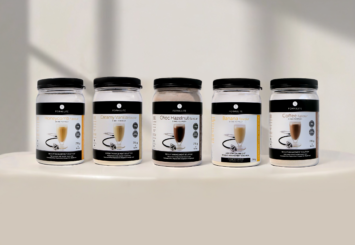
This is exactly what our range is designed for. Formulite products were built to deliver a high quantity of high-quality protein, fibre, vitamins and minerals in formats that go down easily even when appetite is low:
- Meal Replacement Shakes – nutritionally complete, high-protein, with 24 vitamins and minerals, probiotics and digestive enzymes. Easy to consume on days when food doesn’t appeal.
- Meal Replacement Bars – convenient, balanced macros, no preparation required.
- Protein Water – supports hydration and muscle preservation with electrolytes, collagen and BCAAs. Particularly helpful for the dry mouth and reduced thirst that GLP-1s often cause.
- Lupin Soup – high-protein, high-fibre, low-carb, gut-friendly. A savoury option for people who get tired of sweet shakes.
The point isn’t to replace meals indefinitely. It’s to make sure that on the days when 800–1200 calories are all you can manage, those calories are doing as much nutritional work as possible, protecting muscle, supporting the gut, and keeping nutrient status where it needs to be.
The Future: What’s Coming to Australia
The GLP-1 space is moving extraordinarily fast. Globally, more than 120 weight-loss therapies are in development across at least 60 companies. Here’s what’s on the horizon for Australia:
Oral GLP-1 Medications
The biggest near-term shift is the move from injection to tablet.
- Oral semaglutide for weight management (“Wegovy pill”) received FDA approval in the United States in December 2025. Novo Nordisk has not yet lodged a TGA application in Australia, so it is not legally available here yet – anyone offering it now is operating outside the regulatory framework.
- Orforglipron – Eli Lilly’s once-daily oral non-peptide GLP-1. Regulatory review is ongoing internationally; Australian availability is expected in 2027.
- Aleniglipron – another oral GLP-1 in clinical trials, with early results showing weight loss of up to 16% over 44 weeks.
For people who struggle with weekly injections, oral options could meaningfully expand who chooses to use these medications.
Combination and Triple-Agonist Drugs
The next generation goes beyond single-pathway GLP-1.
- CagriSema (cagrilintide + semaglutide, Novo Nordisk) – combines GLP-1 with the amylin analogue cagrilintide. Phase 3 REDEFINE-1 trial results showed approximately 20.4% weight loss. Novo Nordisk submitted a US new drug application in December 2025.
- Retatrutide (Eli Lilly) – a triple agonist hitting GLP-1, GIP and glucagon receptors simultaneously. Phase 3 TRIUMPH-4 trial results showed up to 28.7% weight loss – the highest figure yet reported for any obesity pharmacotherapy. Full data is expected mid-2026, with potential approval in late 2027 or 2028.
- Survodutide (Boehringer Ingelheim) – a dual glucagon/GLP-1 agonist with phase 3 results pending.
Less Frequent Dosing
- MariTide (maridebart cafraglutide, Amgen) – a once-monthly injection currently in phase 3 trials, with results expected in 2027.
What About Generics?
Semaglutide’s patent protection in Canada expired in January 2026, and generic manufacturers are preparing to launch lower-cost versions there. Australia’s patent expiry timeline is different again, and US generics aren’t expected until around 2031–2032. Generic competition will eventually drive prices down significantly, but for now, GLP-1 medications remain expensive branded products.
What Does This All Mean for Australians?
If you take three things from this blog, take these:
- GLP-1 medications are real medical treatments with real benefits and real side effects. They are not vanity drugs, and they are not magic. They work – and they work best when paired with strength training, adequate protein intake and proper medical supervision.
- The next two years are going to look very different to the last two. Expect more medications, more dosing options (oral, monthly), greater efficacy, and – eventually – better pricing through PBS listings and generic competition.
- Nutrition is not a side note. It is central to long-term success on a GLP-1. Without adequate protein, fibre, hydration, and micronutrients, you risk losing muscle, slowing your metabolism, and making any weight regain harder to manage than it needs to be.
If you’re on a GLP-1 medication, planning to start one, or coming off one and trying to maintain your results, the goal is the same: nourish your body properly through every phase. That’s what Formulite is built to support.
Have questions about how Formulite can fit into your GLP-1 journey? Browse our range or get in touch – we’re here to help.
This blog is for general informational purposes only and is not medical advice. GLP-1 medications are prescription-only and require assessment by a qualified healthcare professional. Always consult your GP or a specialist before starting, stopping or adjusting any medication.
Sources
- Therapeutic Goods Administration — Medicines containing GLP-1 and dual GIP/GLP-1 receptor agonists and Product warnings updated for GLP-1 RA class (Dec 2025)
- Australian Prescriber — New safety warning for GLP-1 and dual GIP/GLP-1 receptor agonists (2025)
- 2025 ADS/ANZCA/GESA/NACOS clinical practice recommendations on the peri-procedural use of GLP-1/GIP receptor agonists
- Hormones Australia — In 2026, what do we really know about the science of Ozempic-like drugs? (Feb 2026)
- Royal Australian College of General Practice (RACGP) — pricing and prescribing guidance
- Australian Institute of Health and Welfare — overweight and obesity statistics
- Pharmacy Times — APhA2026 GLP-1 pipeline coverage
- Drug Topics — Pfizer Advances Oral GLP-1 Development (Feb 2026)
- Prime Therapeutics — GLP-1 Pipeline Update: February 2026
- Crown St Medical Centre — Injectable Weight Loss Medications and New Oral GLP-1 Medications: a 2026 Update (Mar 2026)