Reviewed by an Accredited Practising Dietitian | March 2026
GLP-1 medications have transformed how Australians approach weight loss. They curb appetite, stabilise blood sugar and, for many people, deliver results that feel genuinely life-changing. But here’s the conversation that isn’t happening loudly enough: what actually happens when you stop taking them?
Whether you’ve finished a course, stepped away due to cost or side effects, or are simply curious about what comes next, this article explains the real physiology behind GLP-1 discontinuation and what steps you can take to hold onto your hard-won progress.
KEY TAKEAWAY
GLP-1 medications are powerful tools, but they work while you take them. When you stop, your appetite hormones return, weight can creep back, and the muscle you may have lost during the weight loss phase becomes even harder to rebuild. The good news? A structured nutrition plan centred on high protein can significantly protect your results.
Why GLP-1 Medications Work the Way They Do
GLP-1 receptor agonists work by mimicking a naturally occurring gut hormone called glucagon-like peptide-1. This hormone is normally released after eating. It tells your brain you’re full, slows down digestion, reduces cravings, and helps your pancreas manage blood sugar. When you take a GLP-1 medication, you’re essentially amplifying and extending those signals artificially and your appetite regulation becomes highly dependent on that pharmaceutical support.
The problem is that your body doesn’t permanently reset. The medication suppresses hunger it doesn’t rewire it.
The Research Is Clear: Weight Comes Back Quickly
This isn’t a scare story it’s what the science consistently shows.
Study 1: The Oxford Meta-Analysis (2026)
One of the most comprehensive analyses to date, conducted by researchers at the University of Oxford and published in early 2026, reviewed 37 studies involving more than 9,300 adults. The findings were striking: people regained weight at an average rate of 0.4 kg per month after stopping weight management drugs and for newer medications like semaglutide and tirzepatide, that rate jumped to 0.8 kg per month. At that trajectory, researchers projected most people would return to their baseline weight within 1.5 to 2 years. Critically, the study also found that weight regain after stopping GLP-1 medication was faster than after completing behavioural diet programmes, suggesting that medication alone without building lasting habits leaves people more vulnerable.
Study 2: Metabolic Rebound (eClinicalMedicine, 2025)
A systematic review and meta-analysis published in eClinicalMedicine analysed 18 randomised controlled trials involving 3,771 participants. Among people with obesity, stopping GLP-1 medication led to an average body weight gain of 5.63 kg, along with worsening HbA1c, waist circumference, BMI, blood pressure, and fasting glucose. The damage wasn’t just on the scales it was metabolic. And the longer people had been off the medication, the worse the rebound: those followed for more than 26 weeks regained an average of 7.31 kg.
Study 3: Real-World Discontinuation Rates (JAMA Network Open, 2025)
A large cohort study published in JAMA Network Open followed 125,474 patients who initiated GLP-1 medications. The results were eye-opening: 64.8% of patients without type 2 diabetes discontinued treatment within just 12 months. This isn’t a small slice of users the majority of people stop, often before reaching their goal weight, and frequently due to cost, side effects, or access issues. Nearly half of those who stopped ultimately reinitiated treatment, often driven by weight regain confirming that stopping without a plan is a cycle many people find hard to break.
What’s Actually Happening in Your Body
When GLP-1 medication leaves your system, several things happen simultaneously:
- Hunger hormones rebound. Ghrelin your primary hunger hormone surges back. Your brain starts sending strong appetite signals that the medication had been suppressing.
- Gastric emptying speeds up. GLP-1 medications slow down digestion, keeping you fuller for longer. Without them, food moves through your system faster and feelings of satiety are shorter-lived.
- Blood sugar regulation shifts. The insulin-stabilising effect of the medication fades, which can cause blood glucose to become less steady and increase cravings particularly for carbohydrates.
- Muscle loss becomes a compounding issue. During the weight loss phase on GLP-1 drugs, research shows that up to 40% of total weight lost can come from fat-free mass including lean muscle. This isn’t unique to GLP-1 drugs (it happens with any calorie restriction), but it does mean that if you haven’t actively worked to preserve muscle, you may be returning to a higher body fat percentage even if the number on the scales is similar.
The Hidden Cost: Muscle Loss and Why It Matters
Muscle is your metabolic engine. It burns calories even at rest, supports insulin sensitivity, and protects you from injury and frailty as you age. Losing it during weight loss and then failing to rebuild it creates a metabolic disadvantage that makes maintaining your new weight significantly harder.
A 2025 review in eClinicalMedicine found that weight cycling the pattern of losing weight on medication, regaining it off medication, and restarting compounds muscle loss progressively over time. Each cycle may leave you with a little less lean mass and a little slower metabolism than before.
Study 4: Protein Intake and Muscle Preservation (Endocrine Society, 2025)
Research presented at the 2025 Endocrine Society’s annual meeting found that in people taking semaglutide, being older, female, or consuming less protein was directly linked to greater muscle loss. Critically, adequate protein intake was shown to help protect against lean mass reduction suggesting that nutrition strategy matters enormously, both during and after GLP-1 therapy. Experts cited in the study recommend protein intakes of 1.2–1.6 g per kg of body weight per day, distributed evenly across meals, as a key protective strategy.
What to Do When You Come Off GLP-1 Medication
The research is clear: stopping GLP-1 medication without a plan almost always leads to weight regain. But the same body of research offers real, actionable strategies to minimise rebound and protect your results.
1. Prioritise Protein — Very important
Protein is the single most powerful nutritional lever you have after stopping GLP-1 medication. It preserves muscle, promotes satiety, stabilises blood sugar, and keeps your metabolism working for you rather than against you.
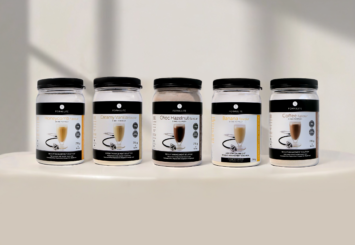
Formulite’s meal replacement shakes, bars and soups are designed around this exact principle. Each Formulite shake delivers over 30g of high-quality protein per serve supporting the 1.2–1.6 g/kg/day targets recommended in the clinical literature. They’re also gluten-free, low-carb, and formulated with probiotics and essential micronutrients, making them ideal for people transitioning off GLP-1 therapy who need nutritional structure without the complexity of meal planning from scratch.
2. Use Meal Replacements to Maintain Structure
One of the most important findings from the Oxford meta-analysis was that people who relied on medication alone without building behavioural habits around food regained weight faster than those who had completed structured dietary programmes. GLP-1 medication suppresses hunger artificially, meaning many users haven’t needed to actively practise managing portions or making nutritious choices.
Formulite’s structured meal plans take the guesswork out of this transition. By replacing one or two meals per day with a Formulite shake or bar, you maintain a calorie-controlled, protein-rich eating pattern even as appetite returns. Think of it as giving your habits the same support your hormones previously had from the medication.
3. Add Resistance Training
Study 5: Exercise, Liraglutide and Post-Treatment Weight Maintenance (Jensen et al., published in eClinicalMedicine)
A post-treatment analysis published in eClinicalMedicine found that patients who combined supervised exercise with liraglutide regained 5.1 kg less weight in the year after stopping treatment compared to those on liraglutide alone. Exercise also appeared to naturally boost GLP-1 secretion in the body effectively helping your gut produce more of the hormone the medication was providing artificially. Resistance training specifically helps rebuild and preserve the lean muscle mass that tends to be lost during rapid weight loss.
4. Taper Gradually If Possible
Research presented at the 2024 European Congress on Obesity found that slowly reducing the dose of semaglutide over around nine weeks while simultaneously coaching participants on exercise and diet helped weight remain stable in the 26 weeks following full discontinuation. If you’re planning to stop GLP-1 medication, speak with your GP or dietitian about a tapering approach rather than stopping abruptly.
How Formulite Supports Your Transition
Formulite was designed with medically-supported weight loss journeys in mind and the post-GLP-1 transition is exactly the kind of challenge our products are built for. Here’s how Australians are using Formulite after stopping their GLP-1 medication:
| Product | Key Benefit | Post-GLP-1: Why It Helps |
|---|---|---|
| Meal Replacement Shakes | 30g+ protein per serve, low carb, with probiotics | Helps preserve muscle and maintain satiety as appetite returns |
| Meal Replacement Bars | High protein, portable, convenient | Perfect for managing hunger between meals without reaching for high-calorie snacks |
| Lupin Soups | High fibre, high protein, low carb | Fibre slows digestion and supports gut health key as GI function normalises |
| Recovery Protein Water | Collagen protein, dairy-free, low sugar | Supports connective tissue and joint health during reintroduction of exercise |
| Structured Meal Plans | Pre-designed calorie-controlled plans | Provides the eating structure that GLP-1 medication previously enforced hormonally |
Setting Realistic Expectations
Coming off GLP-1 medication is not failure. For many Australians, it’s a natural phase of a longer journey driven by cost, personal choice, medical advice, or simply reaching a point where they want to transition to a self-sustaining approach.
The goal isn’t to never gain a gram back. It’s to minimise rebound, protect your muscle mass, build sustainable eating habits, and treat the transition with the same intentionality you gave the medication phase.
The research is clear that structured nutrition particularly high protein intake is one of the most powerful tools available. And that’s precisely what Formulite is built around.
Ready to protect your progress?
Formulite’s range of high-protein shakes, bars, soups and structured meal plans are trusted by Australian dietitians and doctors to support medically guided weight loss including during the post-GLP-1 transition. Explore our trial packs to find the right products for your next chapter.
References
Budini, B., Luo, S., Tam, M., et al. (2025). Trajectory of weight regain after cessation of GLP-1 receptor agonists: a systematic review and meta-regression. medRxiv. https://doi.org/10.1101/2025.06.09.25328726
University of Oxford. (2026, January 8). New study finds that stopping weight-loss drugs is linked to faster regain than ending diet programmes. https://www.ox.ac.uk/news/2026-01-08-new-study-finds-stopping-weight-loss-drugs-linked-faster-regain-ending-diet
Zeng, Y., et al. (2025). Metabolic rebound after GLP-1 receptor agonist discontinuation: a systematic review and meta-analysis. eClinicalMedicine. https://www.thelancet.com/journals/eclinm/article/PIIS2589-5370(25)00614-5/fulltext
Rodriguez, P.J., et al. (2025). Discontinuation and Reinitiation of Dual-Labeled GLP-1 Receptor Agonists Among US Adults With Overweight or Obesity. JAMA Network Open, 8(1). https://jamanetwork.com/journals/jamanetworkopen/fullarticle/2829779
Haines, M., et al. (2025). Protein intake and muscle preservation in patients on semaglutide. Presented at ENDO 2025, Endocrine Society Annual Meeting. https://www.endocrine.org/newsroom/press-releases/endo-annual-meeting/endo-2025-press-releases/haines-press-release
Jensen, S.B.K., et al. (2024). Healthy weight loss maintenance with exercise, GLP-1 receptor agonist, or both combined followed by one year without treatment: a post-treatment analysis of a randomised placebo-controlled trial. eClinicalMedicine, 69, 102475.
Disclaimer: This article is for informational purposes only and does not constitute medical advice. Always consult your GP or an Accredited Practising Dietitian before making changes to your medication or nutrition plan.