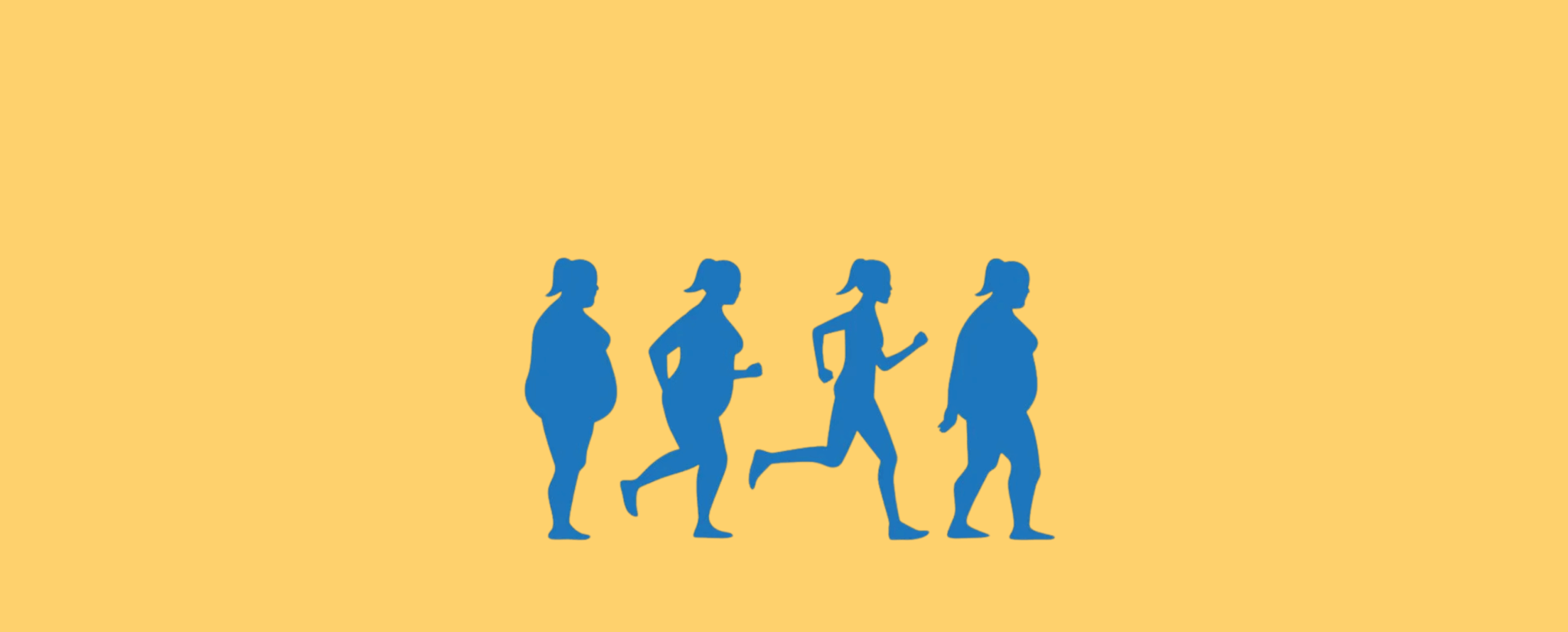
If we have ever lost weight, felt proud, then watched it creep back (sometimes faster than it came off), we are not alone. This pattern is often called weight cycling, repeated rounds of weight loss followed by weight regain. It can feel like a personal failure, but the science tells a different story, our body and environment are often working against quick, restrictive approaches.
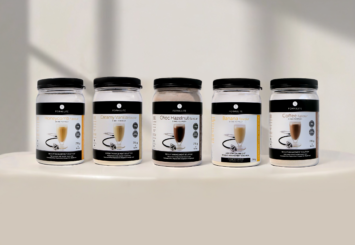
This article unpacks what weight cycling is, why it happens, what research suggests about health impacts, and how to build habits that support long-term weight management. It also explains where Formulite can fit in a sustainable approach, as a tool to make consistency easier, not as a “quick fix”.
What is weight-cycling dieting?
Weight cycling refers to repeated intentional weight loss followed by weight regain, typically driven by short-term dieting strategies that are difficult to maintain in real life. Over time, many people end up stuck in a loop of “start again on Monday” motivation, followed by restriction, burnout, then rebound eating and regain.
Weight regain is common after weight loss, even when people work hard. In a widely cited review, Dulloo and colleagues describe weight regain as “generally the rule”, with a substantial portion of lost weight often returning within the first year, and further regain over time. (Dulloo & Montani, 2015)
Why does weight cycling dieting happen?
1) The body adapts to weight loss (it is not just “willpower”)
When we lose weight, the body often responds with biological counter-measures designed to prevent further loss. These can include:
-
Reduced energy expenditure (we burn fewer calories at rest and during activity than predicted), often described as adaptive thermogenesis (Nunes et al., 2022)
-
Increased appetite signals, making hunger feel louder and more persistent after dieting
-
A drive to restore fat stores, which some researchers discuss as “catch-up fat” processes after weight loss (Dulloo & Montani, 2015)
In plain English: after a period of restriction, many bodies become more efficient, hungrier, and more motivated (biologically) to regain weight.
2) The plan was not built for real life
Highly restrictive approaches can “work” short term, but they often fail the real test: can we live like this for months and years? If the method requires constant perfection, it tends to collapse under stress, travel, social events, work demands, and fatigue.
3) Weight loss and weight maintenance are different skills
A major review on long-term maintenance highlights that keeping weight off involves ongoing behaviours, routines, and support systems, not a short burst of effort. (Wing & Phelan, 2005)
Is weight cycling harmful?
This is where the nuance matters.
Some research links weight cycling to unfavourable cardiometabolic changes in certain populations, including fluctuations in blood pressure, lipids, glucose regulation, and other risk markers. (Rhee et al., 2017) There are also reviews suggesting possible cardiovascular risk associations in particular contexts. (Montani et al., 2006)
However, the evidence is not perfectly consistent. A review in Best Practice & Research: Clinical Endocrinology & Metabolism concluded that overall evidence for major long-term harm is mixed, and importantly, it still supports encouraging weight loss efforts in people with overweight or obesity. (Mackie & Samocha-Bonet, 2017)
What is consistent across the literature is this: repeated cycles of strict restriction and regain are rarely good for our relationship with food, our confidence, or our ability to build stable habits. Even if the medical risk debate is complex, the lived experience often becomes exhausting.
The antidote to weight cycling: habits that make weight management boring (in a good way)
Long-term success tends to come from repeatable behaviours that reduce decision fatigue and do not rely on constant motivation. Research on successful weight loss maintainers (including the National Weight Control Registry) commonly reports behaviours such as consistent eating patterns, regular physical activity, and self-monitoring. (Wing & Phelan, 2005)
Here are the habit pillars that tend to matter most.
1) Aim for a moderate, sustainable calorie deficit
A smaller deficit we can maintain beats a large deficit we cannot. The goal is to avoid the “snap back” effect where hunger and burnout eventually win.
2) Prioritise protein, especially during weight loss
Higher protein intakes during energy restriction have been associated with better preservation of fat-free mass (lean mass) and modest improvements in fat loss, compared with standard protein diets. (Wycherley et al., 2012) Protein can also support satiety for many people, making it easier to stay consistent. (Leidy et al., 2015)
This does not mean “as much protein as possible”. It means enough, spread across the day, within our overall health context.
3) Strength training matters if we care about body composition
If we only chase the scale, we can lose muscle along with fat. Resistance training, alongside adequate protein, is one of the strongest practical combinations for preserving lean mass during dieting.
4) Build a repeatable meal structure
Most people do better with some structure, for example:
-
A consistent high-protein breakfast
-
A simple go-to lunch
-
A flexible dinner
-
Planned snacks, if needed
Structure reduces the “daily negotiation” that fuels diet fatigue.
5) Self-monitoring, lightly but consistently
Self-monitoring is repeatedly associated with better outcomes in behavioural weight loss programmes. (Burke et al., 2011) This could be:
-
Weighing regularly (not obsessively)
-
Tracking steps or workouts
-
Keeping a simple food log for a few weeks when we feel ourselves drifting
The point is awareness, not punishment.
Where Formulite fits, and where it does not
Let’s be direct: no supplement or product “solves” weight cycling. The solution is habits, consistency, and an approach we can live with.
That said, Formulite can be useful if we treat it as a convenience and consistency tool, particularly in the areas where most people slip.
How Formulite can support a sustainable approach
Protein-forward simplicity
If the day gets away from us, a high-protein shake or bar can be an easy way to hit a protein target without skipping meals or grabbing something random. This aligns with evidence that higher-protein approaches can support satiety and preserve lean mass during weight loss. (Wycherley et al., 2012, Leidy et al., 2015)
Routine building
Replacing one chaotic meal decision with a consistent option can reduce decision fatigue, which is often what breaks adherence.
A “bridge” plan for busy periods
Many people regain weight during times when meal prep disappears. A ready option can help us stay roughly on track until life calms down.
The guardrails (important)
-
Do not use Formulite to “compensate” for extreme restriction, that just recreates the weight cycle.
-
Keep whole foods central, think vegetables, fruit, fibre-rich carbs (as needed), and healthy fats, plus regular protein. Formulite can sit alongside that, not replace it entirely.
-
If we have medical conditions or are on medications, check with a clinician, individual needs vary.
A simple, realistic way to use it might look like:
-
Breakfast: Formulite shake + fruit
-
Lunch: Whole-food meal (protein + fibre)
-
Snack: Formulite bar if needed
-
Dinner: Normal meal we enjoy and can repeat
-
Training: 2 to 4 resistance sessions per week, plus walking
The win is not perfection. The win is that we can repeat it.
Breaking the weight cycle: a 4-week reset that focuses on consistency
If we are stuck in weight cycling, try this for the next month:
-
Stop chasing fast results, aim for “I could do this for 12 months.”
-
Pick 3 habits only (for example: protein at breakfast, 8,000 steps, strength training twice weekly).
-
Use tools to reduce friction (simple meal options, repeatable shopping list, Formulite where it genuinely helps).
-
Track one consistency metric, not just the scale (sessions completed, meals hit, steps, weekly average weight).
This is how weight management becomes stable: fewer dramatic swings, more boring consistency.
References
-
Burke, L. E., Wang, J., & Sevick, M. A. (2011). Self-monitoring in weight loss: A systematic review of the literature. Journal of the Academy of Nutrition and Dietetics.
-
Dulloo, A. G., & Montani, J. P. (2015). Pathways from dieting to weight regain, to obesity and the metabolic syndrome: An overview. Obesity Reviews.
-
Leidy, H. J., Clifton, P. M., Astrup, A., et al. (2015). The role of protein in weight loss and maintenance. The American Journal of Clinical Nutrition.
-
Mackie, G. M., & Samocha-Bonet, D. (2017). Does weight cycling promote obesity and metabolic risk factors? Best Practice & Research: Clinical Endocrinology & Metabolism.
-
Montani, J. P., Schutz, Y., & Dulloo, A. G. (2006). Dieting and weight cycling as risk factors for cardiometabolic disease: Who is really at risk? Obesity Reviews.
-
Nunes, C. L., et al. (2022). Does adaptive thermogenesis occur after weight loss in adults? A systematic review. British Journal of Nutrition.
-
Rhee, E. J., et al. (2017). Weight cycling and its cardiometabolic impact. Endocrinology and Metabolism.
-
Wing, R. R., & Phelan, S. (2005). Long-term weight loss maintenance. The American Journal of Clinical Nutrition.
-
Wycherley, T. P., Moran, L. J., Clifton, P. M., et al. (2012). Effects of energy-restricted high-protein, low-fat compared with standard-protein, low-fat diets. The American Journal of Clinical Nutrition.